SyncUP TRACKER
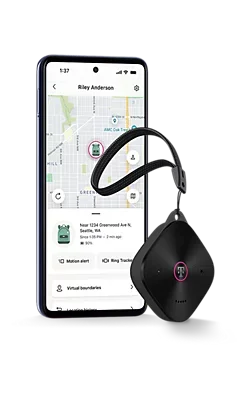
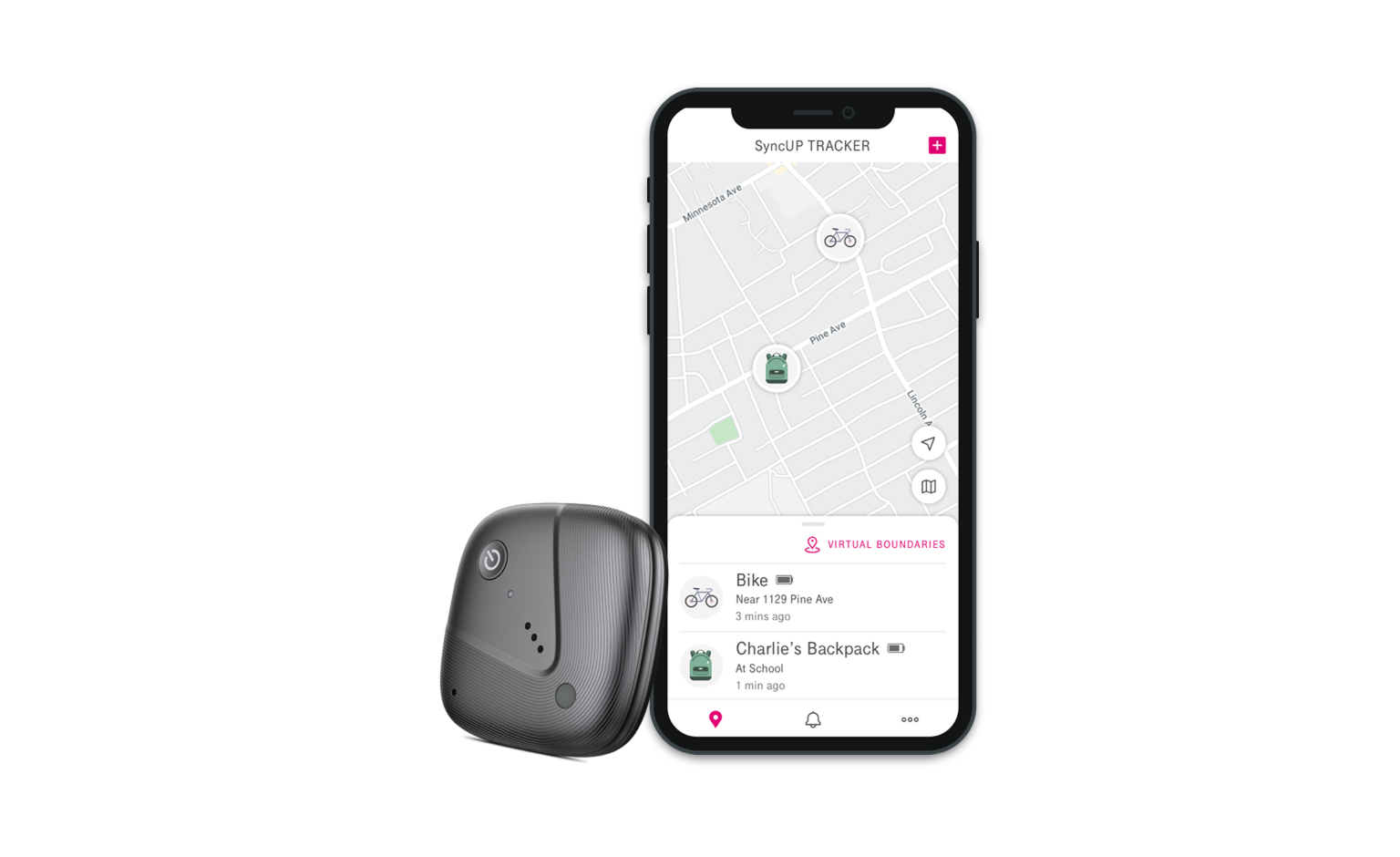
I led the design of the map and location tracking experiences for T-Mobile’s SyncUP TRACKER companion app. This GPS-enabled device leverages T-Mobile’s LTE network and delivers peace of mind by keeping track of the things that matter.
What I Did
Designed mobile app from the ground up (app rating over 4.5★ and 200k+ users) and was instrumental in the successful launch of the product
Defined new features and map experiences; created patterns that were used in other SyncUP products and co-led creation of new design system
Produced high-fidelity visual designs and assets while ensuring adherence to brand and accessibility guidelines; worked with engineers to deliver and test new features
Presented to leadership and stakeholders, collaborated with product team and engineers
UX testing from recruiting and screening participants, conducting interviews and running sessions, to reporting key findings
Team Structure
Myself – Senior UX Designer
Design team of (4 designers total)
Product Managers (2)
Programme Manager (1)
Lead iOS and Android Engineers (2)
QA lead
Who is it for?
Busy parents and families with kids and/or pets
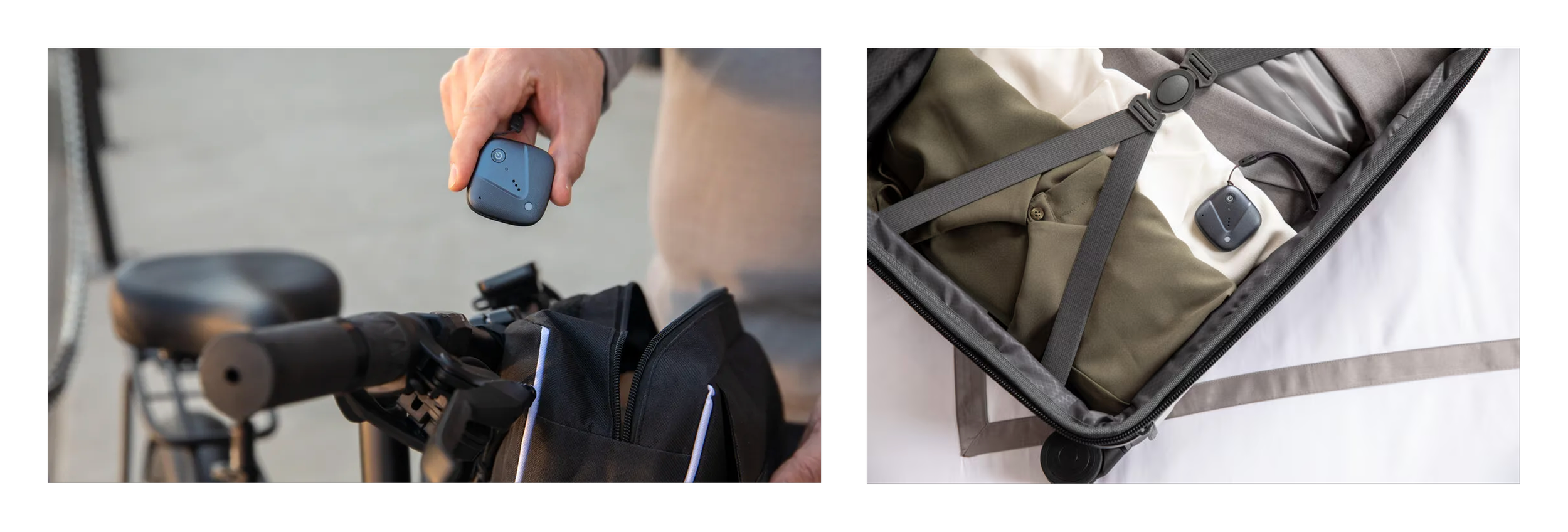
Want to track their vehicles and other valuables: bags, bikes, luggage
Set virtual boundaries and receive notifications
Locate items via GPS/LTE and want peace of mind when Bluetooth trackers aren’t reliable
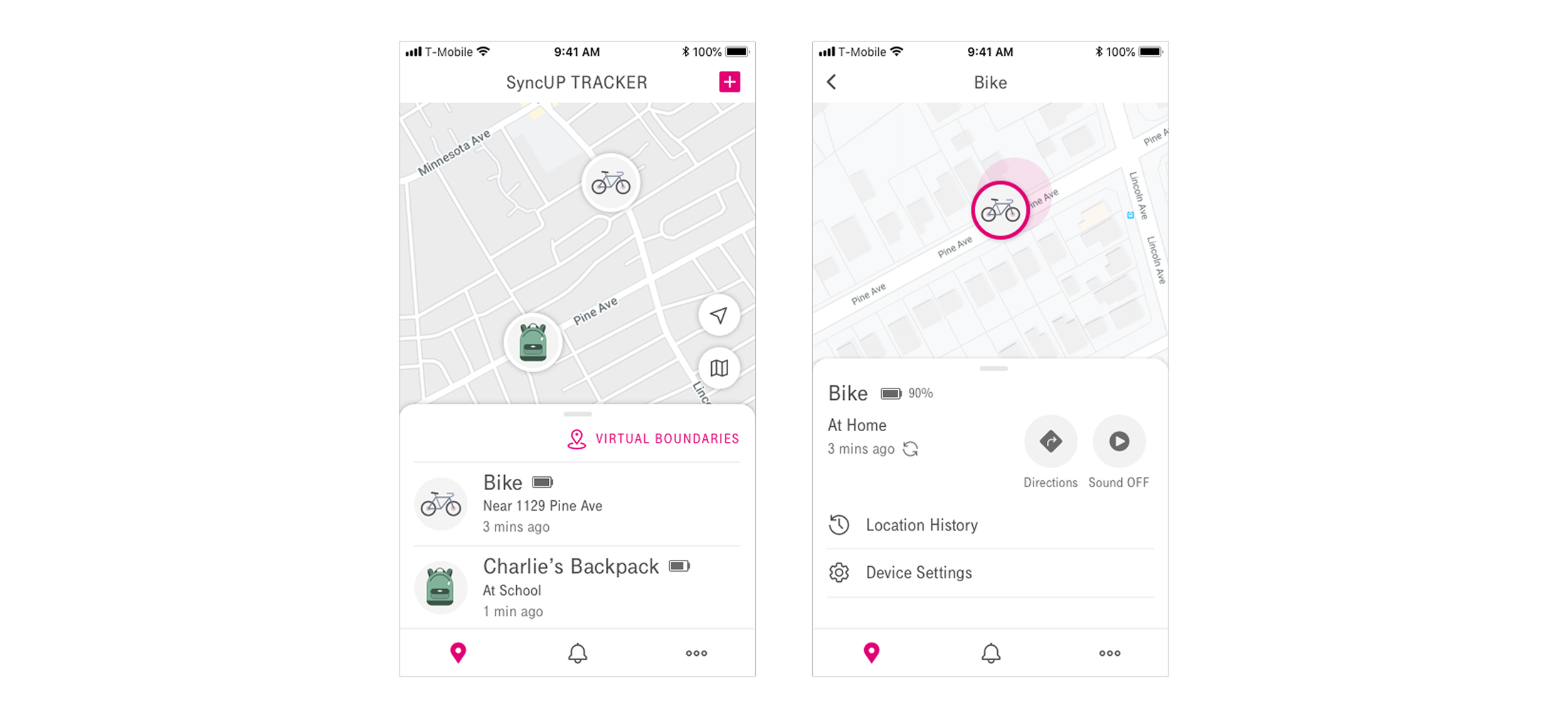
Map and detailed drawer
I led end-to-end interaction design for core location tracking experiences:
Owned map interactions and behavior, defined optimal zoom levels, floating action buttons, map types
Designed live location tracking with auto-refresh and periodic updates, ensuring real-time accuracy with visual clarity
Architected detailed drawer with dynamic content and status indicators for contextual device information
Delivered essential tracker features: virtual boundary notifications (alerts when tracker leaves designated areas), sound for finding tracker, one-tap directions, and location history
Location history
Location history was a frequently requested feature. When our companion launched, it only allowed users to see the current location of their device. I began with discovery research to understand user expectations. Kano analysis showed location history was often expected, while trips/routes were more likely to delight users.
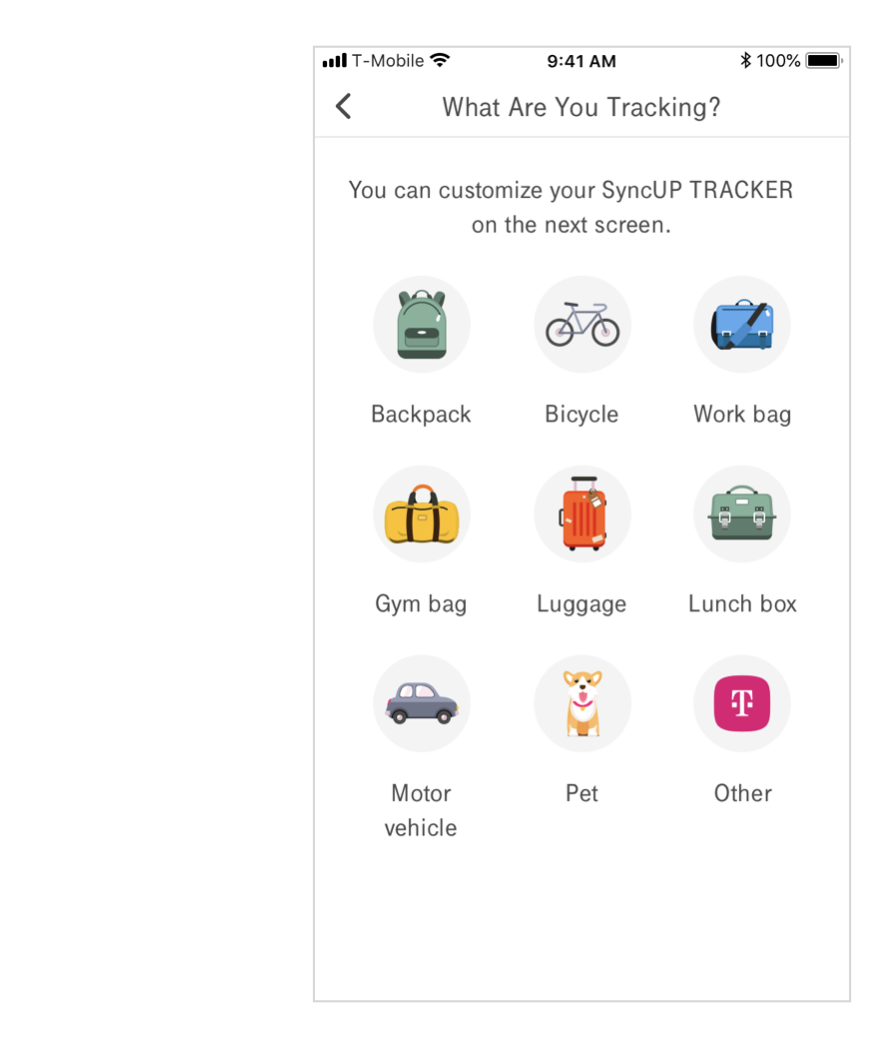
What users expect depends on what they are tracking.
Trailer: does not need to see route
Lunch box (child): route or timeline could be useful
Dog: wants to see distance and routes/walks
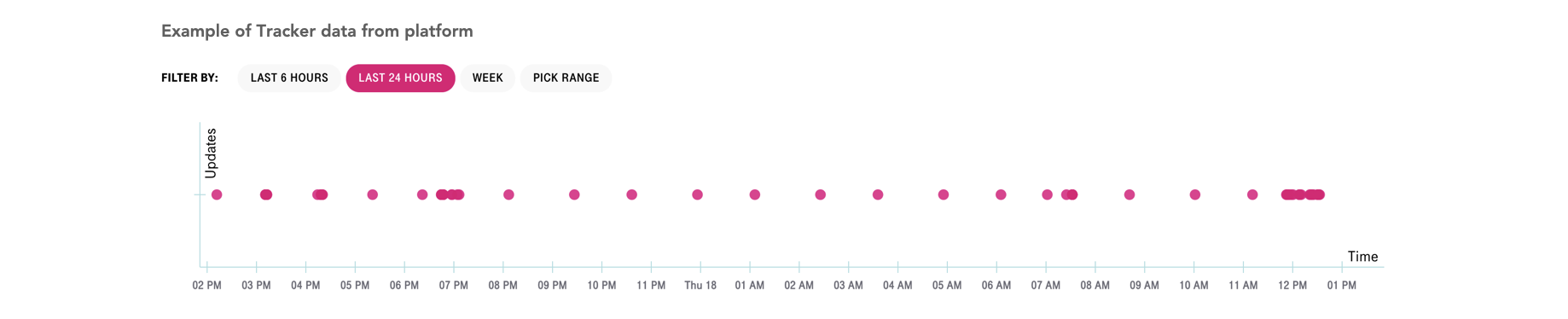
Designing this feature required a deep understanding of our location data. To preserve the device’s battery life, we optimized the update frequency based on what was being tracked. This direct relationship was a key design constraint.
Another challenge was that the location data lacked the granularity needed to accurately capture routes, which was solved through close collaboration with product and engineering.
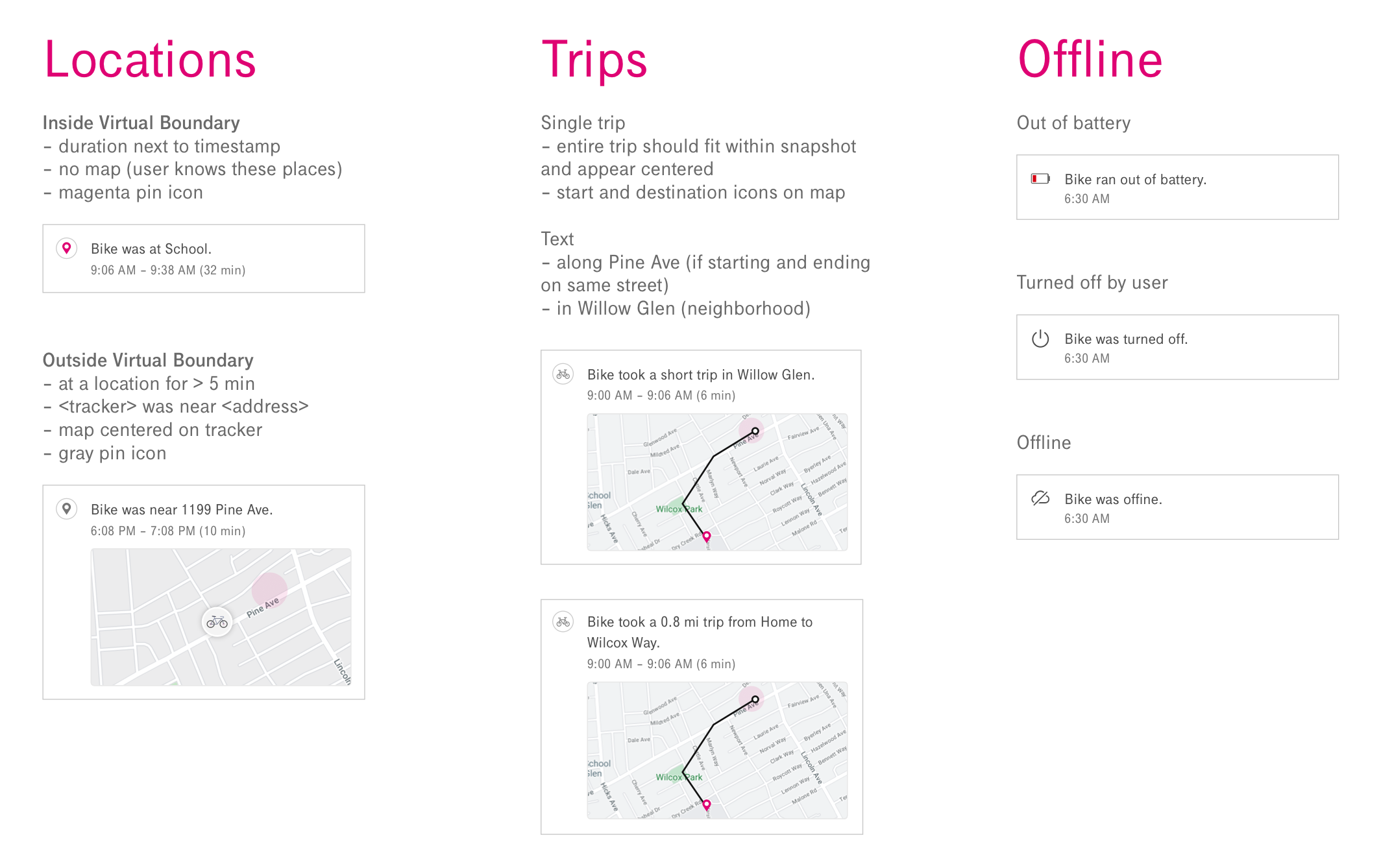
After multiple concepts and iterations, I designed a location history timeline. Scrolling offered a smooth way to connect moments in the timeline, even when the device was offline or stationary for a long stretch.
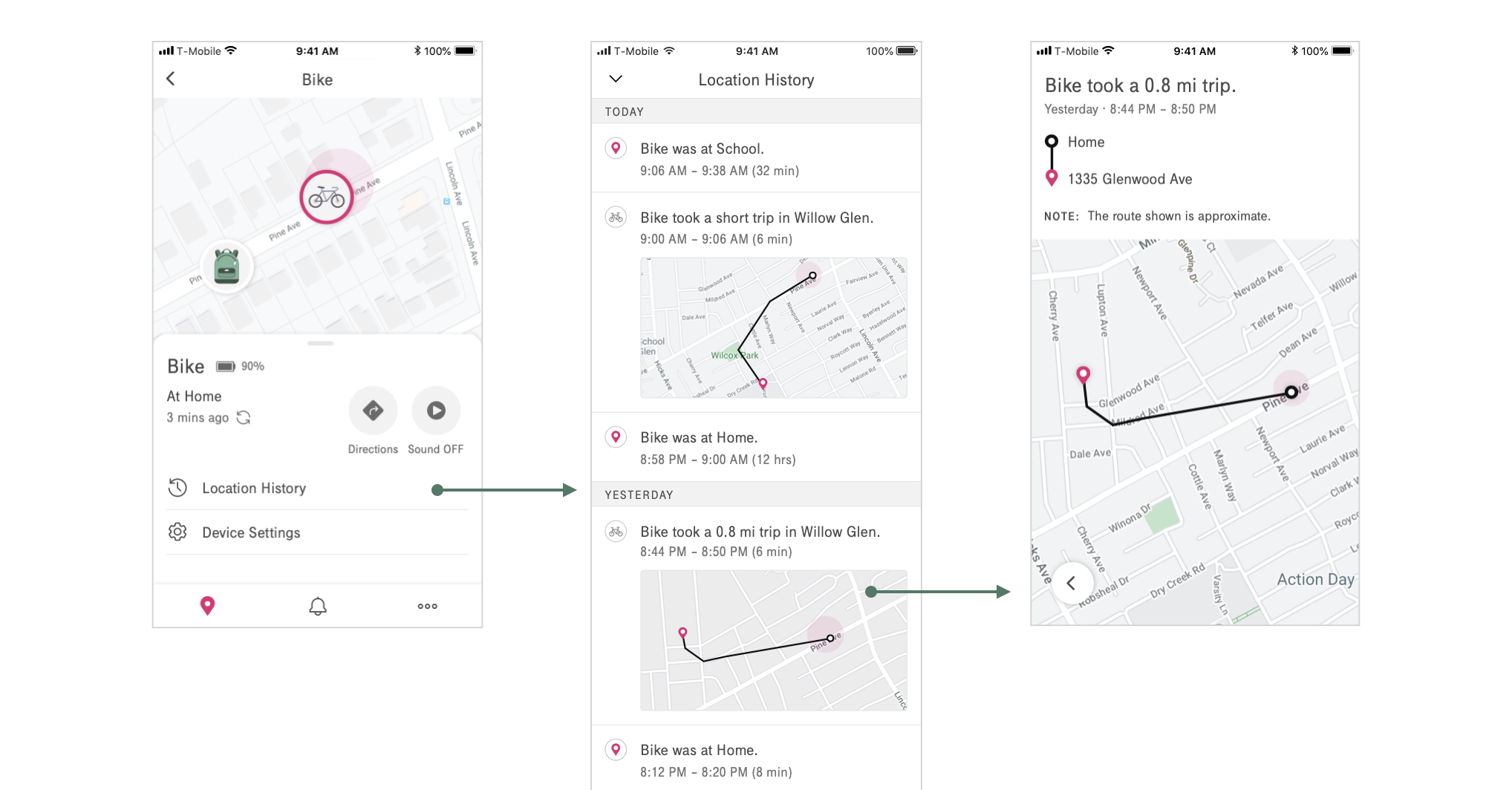
I created a modular card system that adapted across various scenarios.
T-Life and TRACKER V2
I migrated the SyncUP TRACKER companion app to T-Life when it launched as an all-in-one “super app,” aligning it with a new global design system introduced at the same time. A newer version of the device also launched, adding improved and new capabilities including Bluetooth.